Tsokolateria Philippines Menu Prices Updated 2026

βœ“ Updated Prices last updated May 2026 β€” sourced from official Tsokolateria Philippines channels
Tsokolateria Philippines Menu 2026
🍫 Filipino Cacao Café

Tsokolateria Menu with Prices

13
Categories
Tablea
Specialty
β‚±55
Starts From
2026
Updated

Looking for the complete Tsokolateria Philippines menu with prices? You’ve come to the right place. We’ve compiled the full 2026 Tsokolateria menu with updated prices across all 13 categories β€” sourced directly from official Tsokolateria Philippines channels.

Tsokolateria is one of the Philippines’ most distinctive cafΓ©-restaurants β€” built entirely around Filipino cacao culture and the tablea tradition. The menu spans 13 categories: Appetizers (Longganisa Fundido, Pugon Baked Brie with Adobo Flakes), Soup & Salad, Bruschetta Pandesal, Pasta Locale (cacao-infused pastas), All Time Favorites (Filipino classics with cacao twists), Native Risotto, Pancake SoufflΓ©, Churros Waffle, Tsokolateria Sweetness, Tsoko Bat List (cocktails), House Blend Tsokolate (Tsokolate Ah, Tsokolate Eh, Tsoko-Nut), Coffee Blend, and Bar List.

Prices range from β‚±55 (Mineral Water) to β‚±924 (Panini Platter). Scroll down for the complete updated menu.

🍫

Tsokolateria Cacao Guide β€” Tablea, Tsokolate Ah vs Eh, Tsoko Terms Explained

Tablea β€” pure roasted cacao beans ground and pressed into small discs without added sugar or dairy; the traditional Filipino form of chocolate. Tablea is how Filipino hot chocolate (tsokolate) has been made for centuries, dissolved in hot water or milk using a batirol (wooden whisk). Tsokolate Ah (β‚±215) β€” the thinner, lighter Filipino hot chocolate; “Ah” comes from the Tagalog exclamation of surprise/delight, and refers to the thinner consistency (more water or milk relative to tablea). Tsokolate Eh (β‚±215) β€” the thicker, richer version; “Eh” = thick (espeso in old Filipino). In Spanish colonial times, Tsokolate Eh was served to elites and Tsokolate Ah to everyone else β€” Eh uses more tablea per cup. Batirol β€” the traditional wooden molinillo/whisk used to froth tablea hot chocolate; a distinctly Filipino tool for chocolate preparation. Cacao Nibs β€” small pieces of roasted cacao bean, bitter and intensely chocolatey; used as a garnish and flavor element throughout the Tsokolateria menu. Tsoko β€” Filipino shorthand for tsokolate/chocolate. Humba β€” a Visayan braised pork dish (similar to adobo but sweeter, with banana blossoms). Dangit β€” dried rabbitfish, a Filipino seafood staple. Malunggay β€” moringa, a highly nutritious leafy green native to tropical Asia.

πŸ§€

Tsokolateria Appetizer Menu With Prices

Menu ItemsPrice
Pugon Baked Brie with Adobo Flakesβ‚± 462.00
Longganisa Fundidoβ‚± 402.00
Homemade Crispy Bacon Tsokoβ‚± 396.00
Native Chili Tsoko Con Carneβ‚± 352.00
Sizzling Molten Quezo with Garlic Cacaoβ‚± 286.00
Tsokolateria Appetizers Menu
πŸ₯—

Tsokolateria Soup & Salad Prices

Menu ItemsPrice
Pinoy Capreseβ‚± 303.00
Tsokolateria Saladβ‚± 297.00
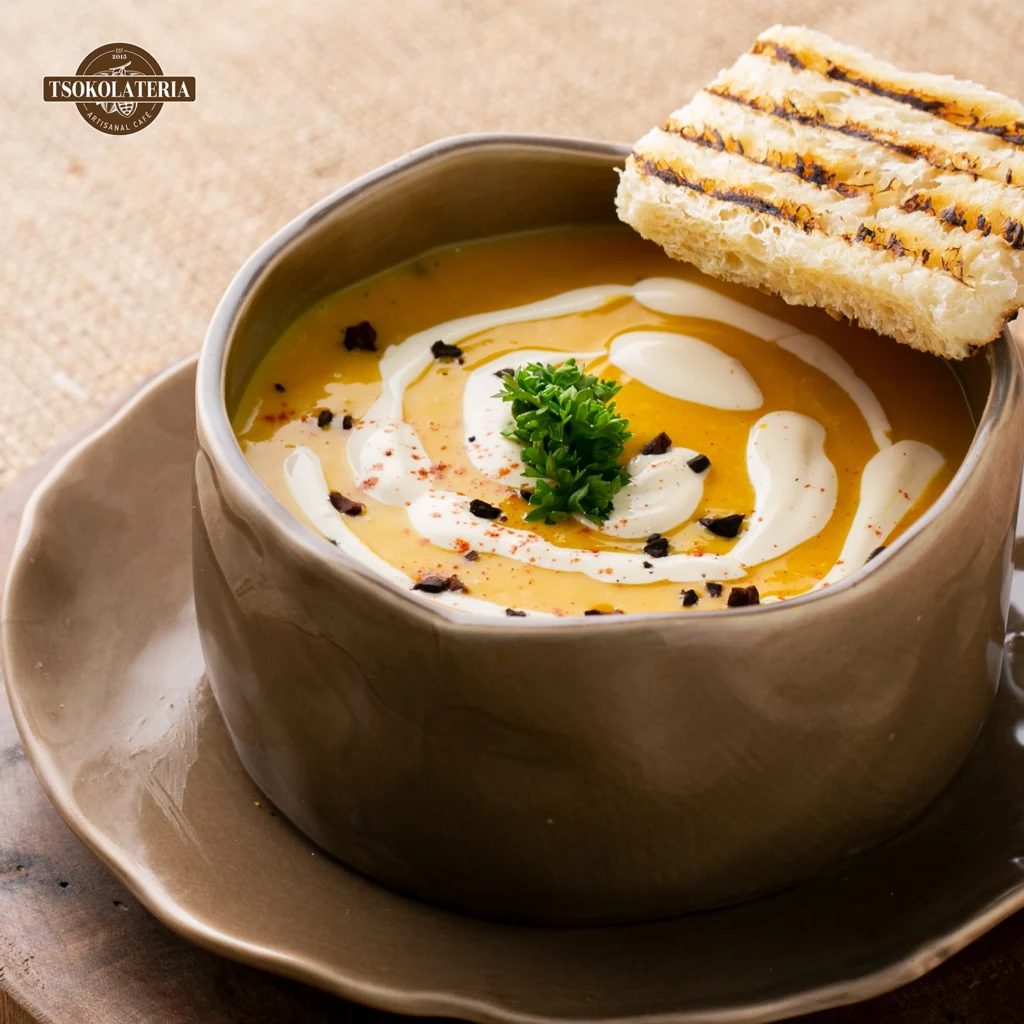
Wild Mushroom Soupβ‚± 242.00
Quezong Puti Cream Soupβ‚± 242.00
🍞

Tsokolateria Bruschetta Pandesal Menu Prices

Menu ItemsPrice
Panini Platterβ‚± 924.00
Bacon Bellyβ‚± 325.00
Croque-Pande-Madameβ‚± 325.00
Strawberry Paniniβ‚± 308.00
Pinoy Capreseβ‚± 308.00
Calamaresβ‚± 303.00
Adobo Flakesβ‚± 275.00
Homemade Spicy Sardinesβ‚± 231.00
Oh My Gulayβ‚± 220.00
🍝

Tsokolateria Pasta Locale Prices

Menu ItemsPrice
Truffle Carbonara with White Choco Shavingsβ‚± 429.00
Longganisa Pasta with Tablea Nibsβ‚± 380.00
Spicy Tuyo with Butter Cacaoβ‚± 325.00
Malunggay Pesto Creme and Tsoko Garlicβ‚± 308.00
🍽️

Tsokolateria All Time Favorites Prices

Menu ItemsPrice
Salpicao Tapaβ‚± 385.00
Adobo Overloadβ‚± 374.00
Humba Tocino with Cacao Pasteβ‚± 374.00
Bacon Lechon Kawali Cebu Styleβ‚± 352.00
Local Artisanal Sausagesβ‚± 352.00
Smoked Bangus, Dangit, Chicharon and Garlic Cacaoβ‚± 325.00
🍚

Tsokolateria Native Risotto Menu Prices

Menu ItemsPrice
Black Risotto and a Dash of Tablea Powderβ‚± 418.00
Aligue Risotto with Tsoko Shavingsβ‚± 363.00
Mushroom Risotto with Tsoko Vinaigretteβ‚± 363.00
πŸ₯ž

Tsokolateria Pancake SoufflΓ© Prices

Menu ItemsPrice
Ube at Macapunoβ‚± 358.00
Bibingka at Itlog na Maalat Condesadaβ‚± 325.00
Fruit Medleyβ‚± 325.00
Tableaβ‚± 303.00
Calamansiβ‚± 275.00
Yemaβ‚± 253.00
πŸ§‡

Tsokolateria Churros Waffle Menu Prices

Menu ItemsPrice
Strawberries Overloadβ‚± 374.00
Salad Greens, Adobo Flakes, and Eggsβ‚± 352.00
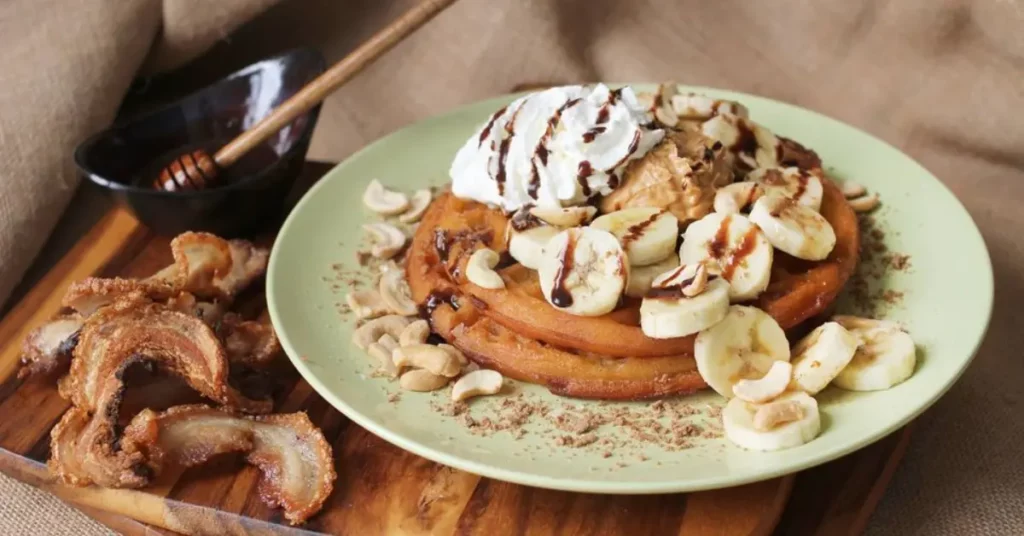
Banana, Peanut Butter, Casuy and Chocnutβ‚± 325.00
Originalβ‚± 319.00
House Bacon Belly, Arugula, and Eggsβ‚± 308.00
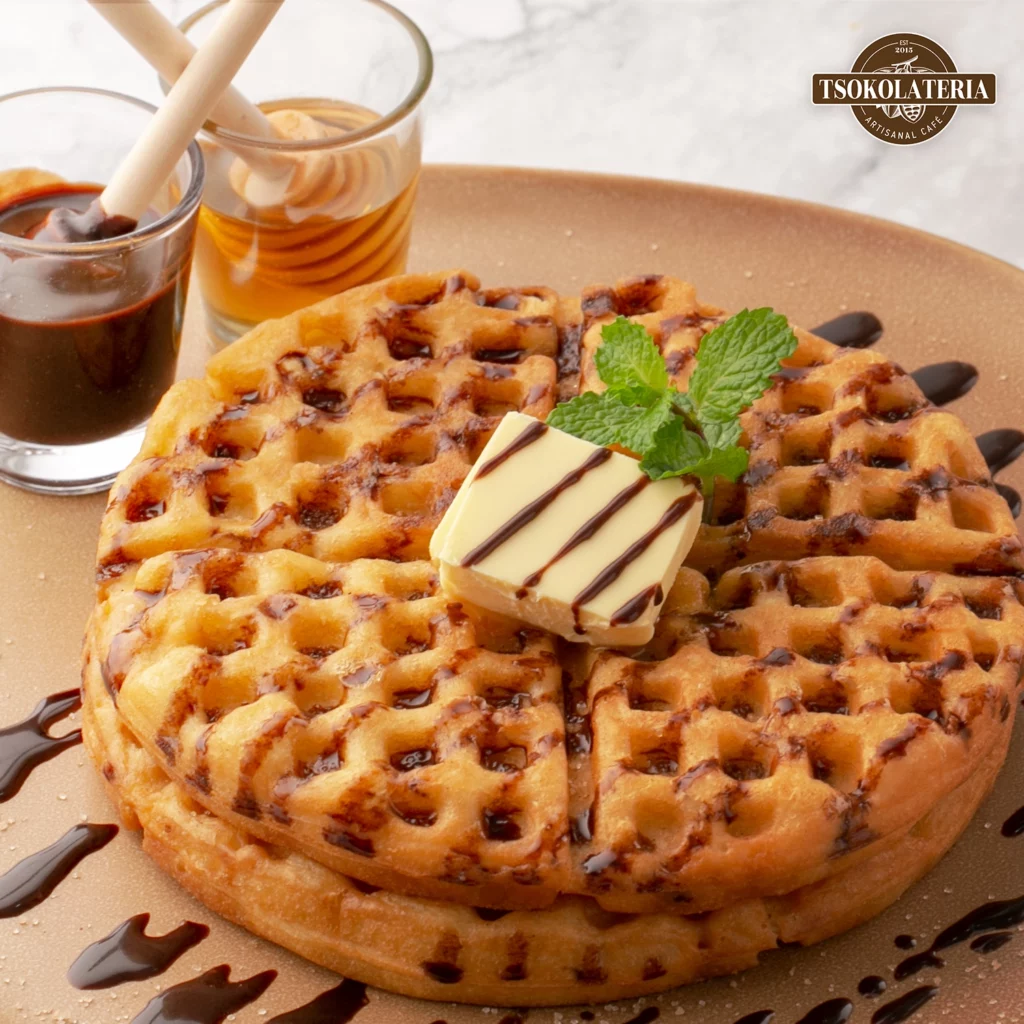
Tablea Waffleβ‚± 187.00
Tsokolateria Menu Philippines
🍫

Tsokolateria Chocolate Sweetness Prices

Menu ItemsPrice
Homemade Ensaymadaβ‚± 385.00
Pinoy Tsokolate Ah Fondueβ‚± 330.00
Tablea Champoradoβ‚± 242.00
🍸

Tsokolateria Tsoko Bat List Menu Prices

Menu ItemsPrice
Sake with Lime and Cacao Nibsβ‚± 308.00
Tsokolateria Sake Martiniβ‚± 297.00
Peanut Butter Batirol Martiniβ‚± 286.00
Tsoko Sili Martiniβ‚± 275.00
β˜•

Tsokolateria Our Table House Blend Prices

Menu ItemsPrice
Dulce de Lecheβ‚± 286.00
Tsoko Mallowβ‚± 275.00
Tsokolate Ah! At Lechon Chicharon Dishβ‚± 308.00
Tostadong Yemaβ‚± 264.00
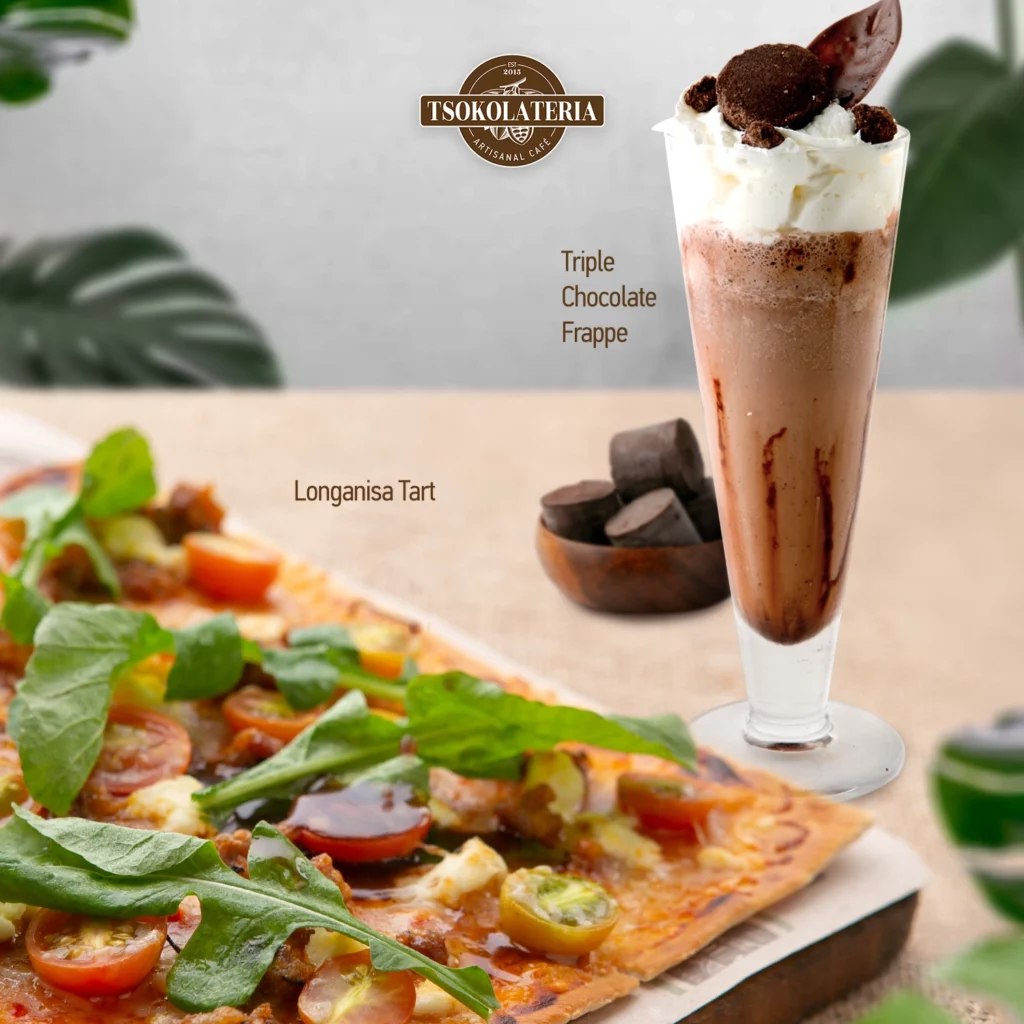
Frozen Hot Tsokoβ‚± 264.00
Tsoko-Nutβ‚± 242.00
Tsokolate Ahβ‚± 215.00
Tsokolate Ehβ‚± 215.00
Tsoko-Barakoβ‚± 198.00
Sili Labuyo Tsoko Blendβ‚± 176.00
Tsokolateria House Blend Menu

See Also: Bigby’s Menu

β˜•

Tsokolateria Our Coffee Blend Menu Prices

Menu ItemsPrice
Mochaβ‚± 198.00
Espressoβ‚± 187.00
Baguio Brew Tsoko Barakoβ‚± 154.00
πŸ₯€

Tsokolateria Bar List Prices

Menu ItemsPrice
Homemade Iced Teaβ‚± 105.00
Soda in Canβ‚± 66.00
Mineral Waterβ‚± 61.00

⭐ Our Favorite Items at Tsokolateria Menu

Tsokolate Eh
β‚± 215.00
The most authentic drink at Tsokolateria and the one that best expresses the brand’s core identity β€” Tsokolate Eh is the thicker, richer version of Filipino hot chocolate, made with more tablea (roasted cacao disc) dissolved per cup using the batirol (traditional wooden whisk) to create the characteristic frothy top. The “Eh” designation comes from Spanish colonial-era Philippines where “espeso” (thick) was the preferred consistency for the upper class β€” Tsokolate Eh used significantly more tablea per cup than the thinner “Ah” version, making it richer, more intensely chocolate, and more bitter. The tablea dissolves into the hot milk or water as the batirol is rolled between the palms, producing a frothy, aromatic chocolate that is distinctly different from any Western hot chocolate or cocoa powder drink. At β‚±215, the most essential and most culturally significant drink order at Tsokolateria.
Tablea Champorado
β‚± 242.00
The most Filipino dish at Tsokolateria β€” Champorado is a traditional Filipino chocolate rice porridge made by cooking glutinous rice (malagkit) with tablea until the cacao dissolves into the starch and creates a thick, dark, slightly bitter chocolate porridge. Champorado was introduced to the Philippines by Mexican traders during the Manila-Acapulco Galleon Trade (1565–1815) β€” it derives from the Mexican champurrado (atole de chocolate, a corn-masa-thickened chocolate drink) but evolved in the Philippines into a rice-based dish. Tsokolateria’s version uses their tablea rather than processed cocoa powder, producing an authentic, complex chocolate flavor distinct from the sweetened champorado mix sold in supermarkets. Traditionally paired with tuyo (dried fish) for the classic sweet-salty Filipino breakfast combination. At β‚±242, the dish that most directly connects Tsokolateria to its historical cacao roots.
Longganisa Pasta with Tablea Nibs
β‚± 380.00
The most innovative dish at Tsokolateria and the one that most clearly demonstrates the brand’s Filipino-cacao culinary philosophy β€” longganisa (Filipino garlic-sweet pork sausage) pasta topped with cacao nibs (small pieces of roasted cacao bean). Using cacao nibs as a pasta garnish is a direct reference to the Mesoamerican tradition where cacao was used in savory dishes (mole, for example) rather than exclusively in desserts β€” a usage that predates Spanish colonization by thousands of years. The sweetness of the longganisa, the garlic depth of the pasta sauce, and the bitter, roasted intensity of the cacao nibs create a complex savory-sweet-bitter three-layer flavor profile. At β‚±380, the dish that most rewards adventurous diners and most clearly expresses Tsokolateria’s unique culinary identity.
Pinoy Tsokolate Ah Fondue
β‚± 330.00
The most social and most interactive dessert at Tsokolateria β€” a Filipino cacao fondue served with dipping items. Fondue originated in Switzerland as a way to use aged cheese or chocolate during winter, made communal by the shared pot format. Tsokolateria’s Pinoy version replaces Swiss or Belgian chocolate with locally produced tablea-based Filipino chocolate β€” a fundamental flavor difference: the tablea has a more complex, slightly acidic, fruity bitterness (from the natural cacao fermentation process) compared to the smoother, more processed sweetness of European chocolate. The “Pinoy” designation signals authentic local ingredients rather than a Western chocolate substitute. At β‚±330, the most shareable dessert at Tsokolateria and the one best ordered for groups of 2–3 as a dessert after savory mains.
Tsoko Sili Martini
β‚± 275.00
The most uniquely Filipino cocktail at Tsokolateria β€” a martini combining tsoko (chocolate/cacao) with sili (Filipino chili). The chocolate-chili combination is one of the oldest in the world: the ancient Mayans and Aztecs drank cacao mixed with chili as a ceremonial beverage (xocolatl) thousands of years before sugar was added to chocolate in European processing. The capsaicin in chili and the theobromine in cacao both stimulate different chemical pathways in the brain β€” the combination creates a warmth-plus-mood-elevation effect that neither ingredient produces alone. Tsokolateria’s Tsoko Sili Martini places this ancient combination in a modern cocktail format, making it the most historically rooted and most distinctly Filipino drink on the Tsoko Bat List. At β‚±275, the most adventurous and most intellectually interesting cocktail order at Tsokolateria.
Humba Tocino with Cacao Paste
β‚± 374.00
The most distinctively Visayan-Filipino main at Tsokolateria with the most interesting cacao application β€” Humba is a traditional Visayan braised pork dish closely related to adobo but with the addition of banana blossoms (puso ng saging), salted black beans (tausi), and a sweeter, more complex sauce profile. “Tocino” adds the sweet-cured pork element (similar to Chinese-Filipino hamonado). The Cacao Paste component is where Tsokolateria’s identity appears most directly: adding Filipino cacao paste to a Humba sauce creates a mole-like dimension β€” the bitter depth of cacao tempering the sweetness of the tocino marinade, the same culinary logic used in Mexican mole negro (where cacao deepens a complex savory sauce). At β‚±374, the most culturally layered main course at Tsokolateria β€” connecting Visayan culinary tradition, Filipino tocino culture, and the pre-colonial Mesoamerican cacao-in-savory-food tradition.
⚠️

Is Tsokolateria Philippines Halal?

No β€” Tsokolateria Philippines is not Halal Certified. The menu includes pork items (Longganisa Fundido, Homemade Crispy Bacon Tsoko, Bacon Belly, Bacon Lechon Kawali, Humba Tocino) and alcoholic beverages (Tsoko Bat List cocktails, Bar List). Muslim diners are advised accordingly.

About Tsokolateria Philippines

Tsokolateria is a Philippine cafΓ©-restaurant concept built entirely around Filipino cacao culture β€” the tablea tradition, the batirol technique, and the belief that Philippine cacao (particularly from Davao, Cebu, and the Cordillera highlands) is world-class and deserves to be at the center of a full dining experience rather than just a dessert ingredient. The name “Tsokolateria” directly references the 18th–19th century Filipino chocolate houses (chocolaterΓ­as) that were central to colonial-era social life β€” spaces where tsokolate was prepared, consumed, and discussed.

What distinguishes Tsokolateria from other cafes is the systematic integration of cacao throughout every section of the menu: cacao nibs on pasta (Longganisa Pasta), garlic cacao on the Sizzling Quezo appetizer, cacao paste in the Humba Tocino, butter cacao in the Spicy Tuyo pasta, tsoko shavings on the Aligue Risotto, tsoko vinaigrette on the Mushroom Risotto, and tablea powder on the Black Risotto. Cacao is not a dessert element β€” it is a savory ingredient across the full menu.

The drinks section reflects the same philosophy: Tsokolate Ah and Eh (the two traditional Filipino hot chocolate strengths), Tsoko-Barako (Philippine Barako coffee blended with cacao), Sili Labuyo Tsoko Blend (chili-chocolate, referencing pre-colonial Mesoamerican traditions), and the Tsoko Bat cocktails (cacao-infused sake martinis) β€” all built on Filipino cacao as the primary flavor foundation.

❓ Frequently Asked Questions
Famous for Filipino cacao/tablea culture: Tsokolate Ah (β‚±215) and Tsokolate Eh (β‚±215) β€” traditional hot chocolate using tablea. Tablea Champorado (β‚±242). Longganisa Pasta with Tablea Nibs (β‚±380). Churros Waffle, Pancake SoufflΓ©, Native Risotto with cacao elements. Tsoko Bat cocktails (β‚±275–₱308). Full savory menu with cacao integrated throughout. Not Halal Certified.
Both β‚±215. Tsokolate Ah = thinner, lighter Filipino hot chocolate β€” more water or milk relative to tablea. The “Ah” reflects the surprise/delight exclamation and signals the thinner consistency. Tsokolate Eh = thicker, richer, more tablea per cup β€” “Eh” comes from espeso (thick in Spanish colonial Filipino). Historical context: during the Spanish colonial period, Tsokolate Eh was served to the upper class and clergy, while Tsokolate Ah was for general consumption. Both use tablea (roasted cacao discs) stirred with a traditional batirol wooden whisk.
Tablea = pure roasted cacao beans ground and pressed into small discs without added sugar or dairy β€” the traditional Filipino form of chocolate. Used to make tsokolate by dissolving in hot water or milk using a batirol (wooden whisk). Tsokolateria uses tablea as a key ingredient throughout the savory menu (pasta, risotto, appetizers) β€” not just in desserts and drinks. Philippine tablea, especially from Davao and Cebu, is considered among the finest cacao in the world due to the country’s equatorial climate and traditional fermentation methods.
Tablea Champorado (β‚±242) = Filipino chocolate rice porridge made with glutinous rice and tablea β€” a dish introduced to the Philippines via Mexican traders during the Manila-Acapulco Galleon Trade (1565–1815). It derives from Mexican champurrado (corn-masa chocolate drink) but evolved into a rice-based dish in the Philippines. Tsokolateria’s version uses authentic tablea rather than instant cocoa mix β€” producing a more complex, slightly bitter chocolate porridge. Traditionally paired with tuyo (dried fish) for the Filipino sweet-salty breakfast contrast. The most historically significant dish on the menu.
Four cacao-infused cocktails: Tsoko Sili Martini (β‚±275) β€” chocolate + chili, referencing the ancient Mayan/Aztec xocolatl (cacao + chili drink). Peanut Butter Batirol Martini (β‚±286) β€” peanut butter + cacao cocktail named after the batirol whisk. Tsokolateria Sake Martini (β‚±297) β€” sake + cacao elements. Sake with Lime and Cacao Nibs (β‚±308) β€” the most complex combination. All cocktails in the Tsoko Bat List use cacao/tablea as the core Filipino flavor element blended with spirits. Contains alcohol β€” not Halal.
For reservations, branch locations, and current operating hours, check Tsokolateria’s official social media channels. Tsokolateria branches are located in Quezon City and other key Metro Manila areas. Reservations recommended for group dining especially when ordering Native Risotto and All Time Favorites sections. Not Halal Certified β€” the menu includes pork items and alcoholic cocktails.

Official Sources


Ready to Find Your Next Favorite Restaurant?

500+ restaurants. 8 cuisines. Always updated. Always free.

Kain na! πŸ‡΅πŸ‡­

Scroll to Top